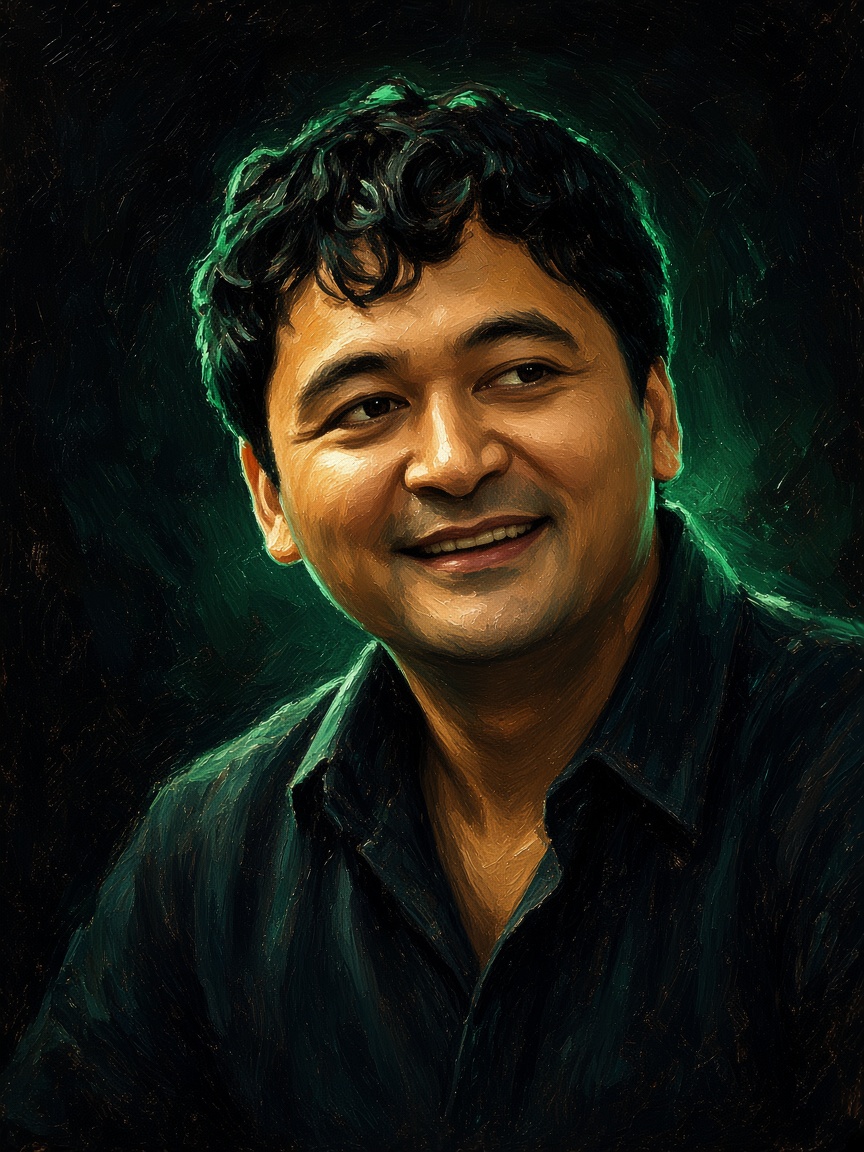
Paal, The Architect
Inventor of worlds. Breaker of protocols.
Connect with Paal
Open their profile and say hello.

 Skalle
What if the Web could connect more than information? The story behind Synx began in 2008 with a question that seemed simple at the time: what would the Web look like if it had been designed for machines as well as humans?
I had spent much of my career working with computers, mobile technology and distributed systems. I had watched the Internet transform from something used by specialists into infrastructure that changed almost every part of society. And yet something about its architecture kept bothering me.
The World Wide Web was brilliant at connecting information. A document could link to another document anywhere in the world. Anyone could publish, anyone could browse, and the network could grow without anyone controlling the whole thing. But machines were different.
A machine doesn't need to read a webpage about the temperature. It needs to know that the temperature just changed. A robot doesn't want to repeatedly ask a server whether something has happened. It needs the relevant change delivered when it happens. And intelligent systems shouldn't require developers to manually integrate every sensor, database, application and service they encounter.
The Web had given us a universal way to link information. We started wondering whether the same fundamental idea could be applied to live data and intelligence.
In 2008, Henrik Silverkant and I began exploring this problem seriously. We were inspired by the simplicity and openness of Sir Tim Berners-Lee's World Wide Web, but also by ideas about interconnected systems and collective behaviour. Instead of asking how we could improve the existing Web, we started from a different question: how would we design a network if autonomous machines were its users?
That question eventually led to an architecture we called Morphic Architecture Design, MAD. The idea was to make network resources directly addressable and allow them to form bidirectional relationships across domains.
Rather than continuously moving copies of data between applications, data could remain associated with its source. Services could subscribe to changes. Different systems could transform, or morph, data into the structures required by the next participant in the network. The network would no longer simply connect computers. It could connect things, data, services and intelligence. That became the foundation of what we now call the Real Time Web.
At the time, this was a difficult idea to explain. AI agents were not part of everyday conversation. Humanoid robots were mostly research projects. IoT was still emerging. Cloud computing itself was relatively young. We were developing infrastructure for a world that had not arrived yet.
So we spent years experimenting. We connected sensors and devices. We worked with different communication technologies. We built demonstrations and proof-of-concepts. We tested the architecture in real environments and learned where it worked, and where it didn't. The technology evolved through every project.
What originally looked like an architecture for connecting devices gradually revealed something much larger. If software services could be addressed and linked dynamically, then intelligence itself could become part of the network. One intelligent service could consume another. Multiple services could collaborate. Data could move through chains of transformation before reaching a person, application or machine. Long before today's explosion of AI agents, we were working toward networks of cooperating intelligence.
The arrival of modern AI changed the context completely. Suddenly, machines could understand instructions, reason about information, generate software and interact with external tools. But the underlying infrastructure remained largely the same.
Today's AI is extraordinarily capable inside a model, but connecting that intelligence reliably to the physical and digital world still requires APIs, integrations, databases, cloud platforms and substantial engineering. To us, this looked familiar. It was the problem we had been working on for years. The missing piece was no longer intelligence.
That realization brought us back to the original vision with renewed urgency. The Real Time Web is our answer. It is not intended to replace the Internet or the World Wide Web. It extends the idea of the Web into a world where the participants increasingly include AI agents, sensors, robots, autonomous systems and intelligent services.
Where the traditional Web made documents addressable and linkable, RTW aims to make live network resources addressable and linkable. Where today's applications repeatedly request information, RTW is designed around changes in state. Where conventional integrations move and duplicate data, RTW is designed to let authorized consumers connect closer to the source. And where today's AI systems often operate as isolated services, RTW provides an architecture for connecting intelligence across independently owned domains. The vision is simple:
Eventually we realized that an architecture alone would never create a new Web. Developers needed tools. The original World Wide Web became transformative because people could create websites, register domains, run servers and link their work to everybody else's. The Real Time Web needs the same thing.
That is why we created Synx. Synx turns the concepts developed through years of RTW research into practical developer technology. Synx DNS gives network resources identity, addressing and discovery. Synx BIOS provides the runtime environment for creating and operating Real Time Web services. Synx Pass provides identity, ownership and controlled access. And Skalle AI introduces something we could only imagine when this journey started: an AI interface capable of understanding the Real Time Web and helping humans and other AI models create, link and administer RTW services.
A developer can increasingly describe what they want to create rather than manually configuring every connection. In a strange way, AI may ultimately become one of the most important developers of the network we originally designed for AI.
The next step is Morph Space. If Synx provides the tools for creating the network, Morph Space is where the network can become an economy.
People, organizations and machines continuously produce data. RTW makes it possible to address those resources at their source and organize them into controlled channels. Morph Space is being developed so those channels, and the intelligence that transforms them, can be discovered, linked and ultimately traded.
A sensor can contribute data. An AI service can add intelligence. Another service can transform it. A robot, application or person can consume the result. Each participant can potentially contribute to the value chain while the source owner maintains control over access to the underlying resource.
Real Time Web makes data linkable. Morph Space makes it tradable.
When Henrik and I began this journey, we could not have predicted today's world of language models, autonomous AI agents and increasingly capable robots. But the question that started everything has become more relevant, not less: what network will all these intelligent machines use?
Our answer has taken years of research, experimentation, successes, failures and rebuilding. Today, Synx represents the next chapter. We are no longer only researching what the next Web could look like. We are building the tools that allow others to build it with us. And this time, some of those builders won't be human.
- By Paal Kristian Levang
The Real Time Web is bigger than one company or one product. It is an architectural concept for connecting live data, services, machines and intelligence across independently controlled domains. Synx exists to turn that concept into usable technology.
Explore the architecture, principles and vision behind the Real Time Web at RealTimeWeb.org.
Humans, engineers, creators, and one AI.
Building the Real Time Web one connection at a time.
Inventor of worlds. Breaker of protocols.
Open their profile and say hello.
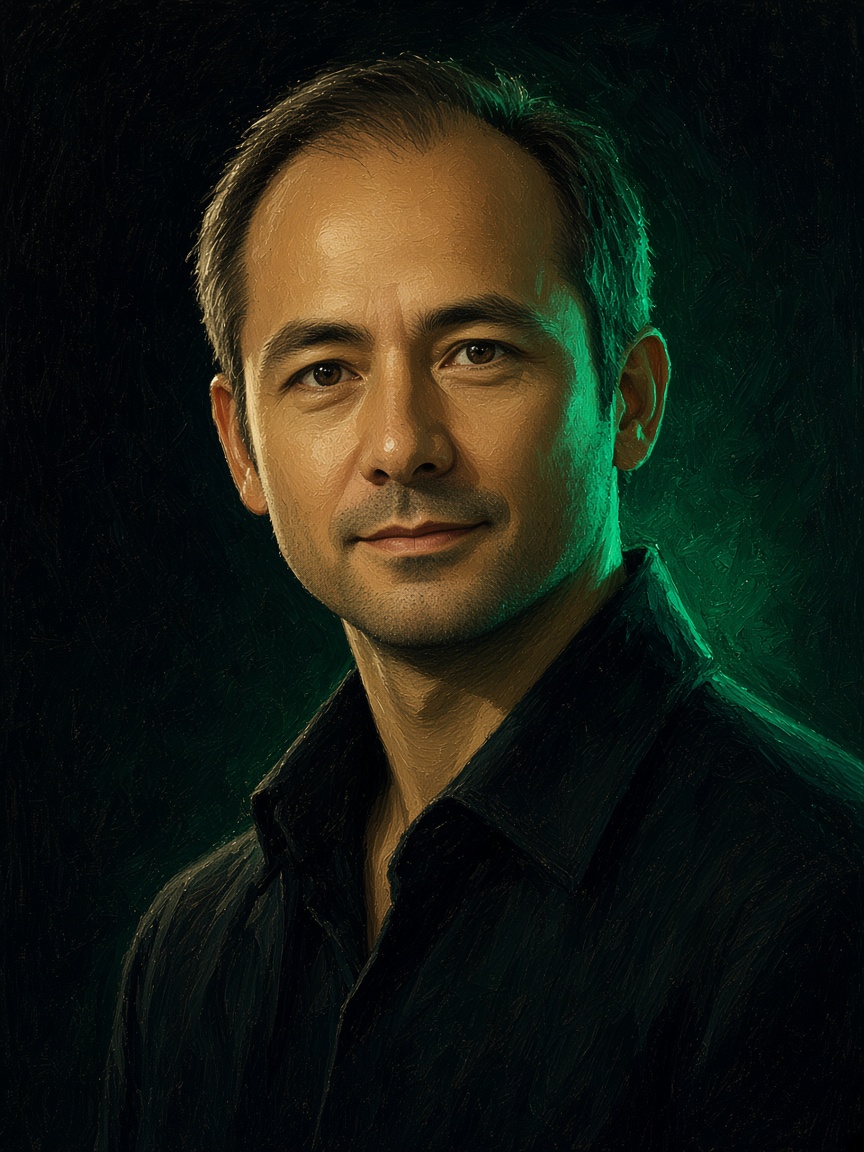
Keeping the ship, crew and mission on course.
Open their profile and say hello.
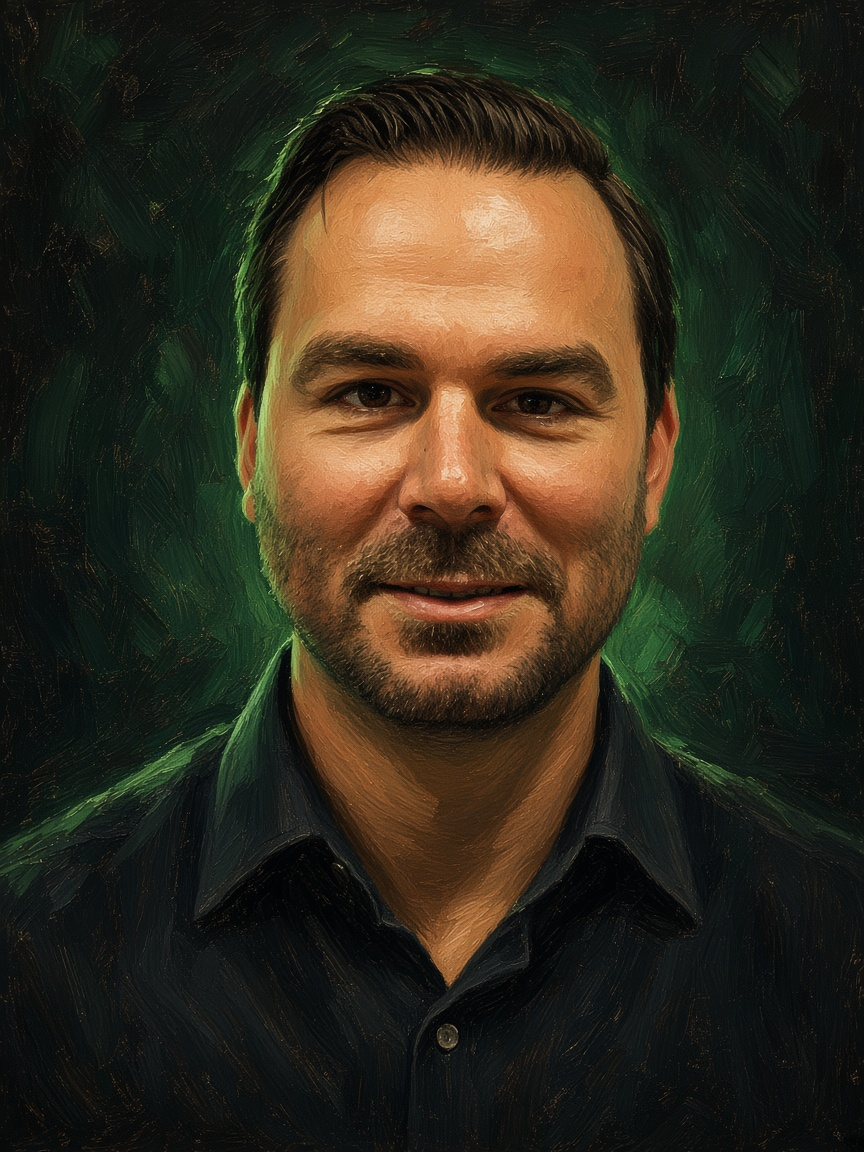
When technology fights back, send Henrik.
Open their profile and say hello.

Turning data, models and algorithms into intelligence.
Open their profile and say hello.
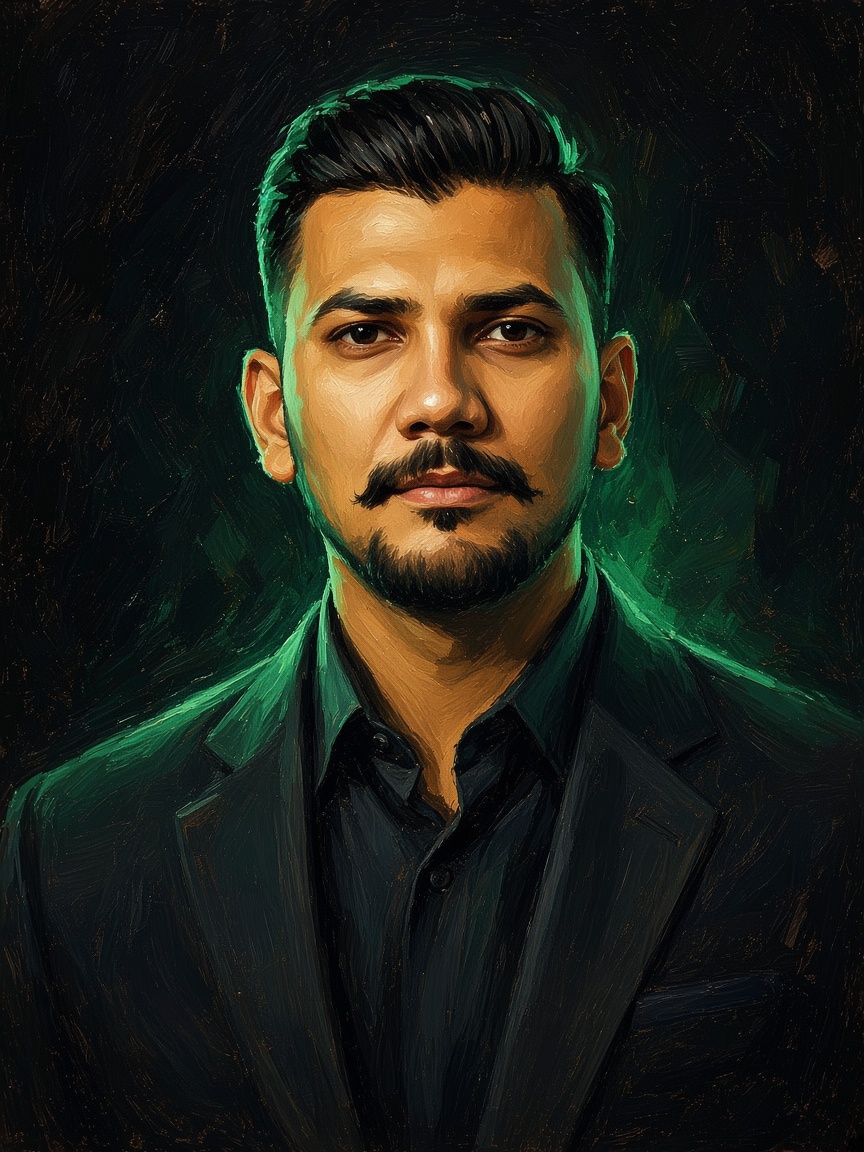
From interface to infrastructure, the stack is strong with this one.
Open their profile and say hello.
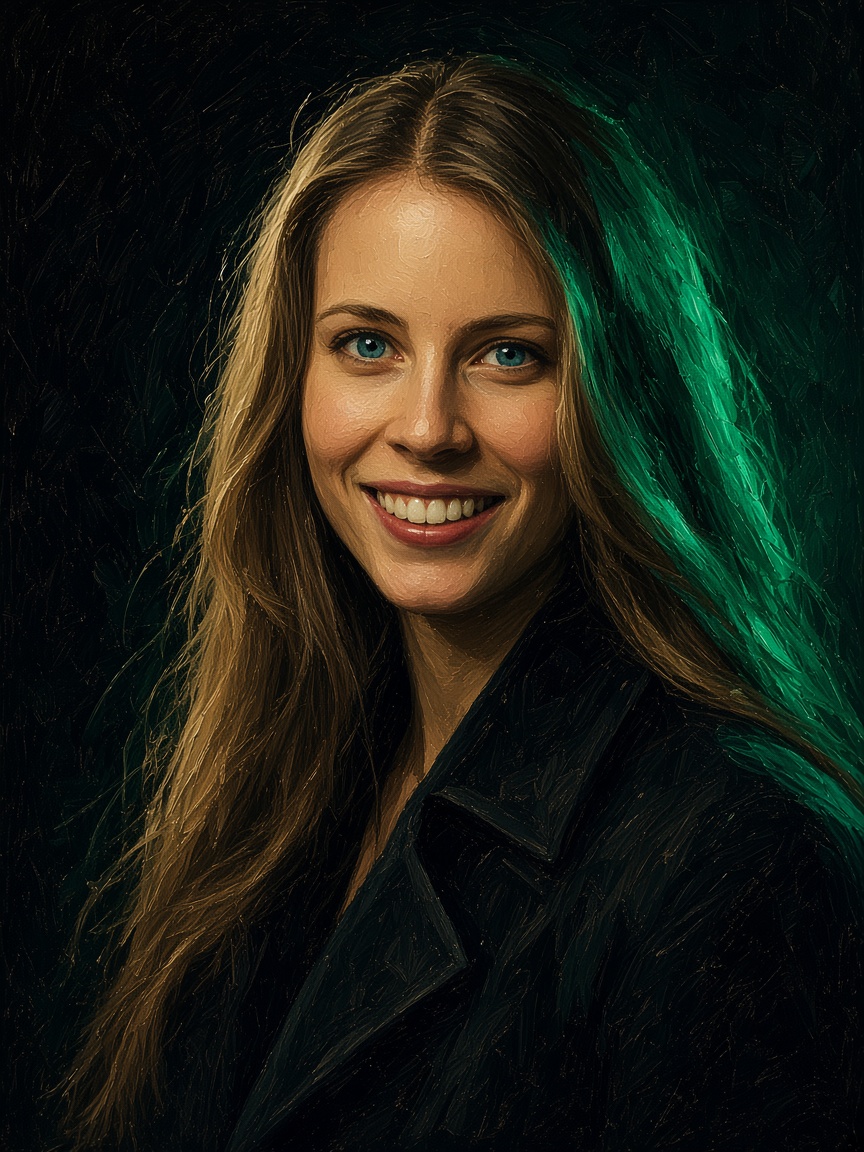
Turning complex technology into something humans actually understand.
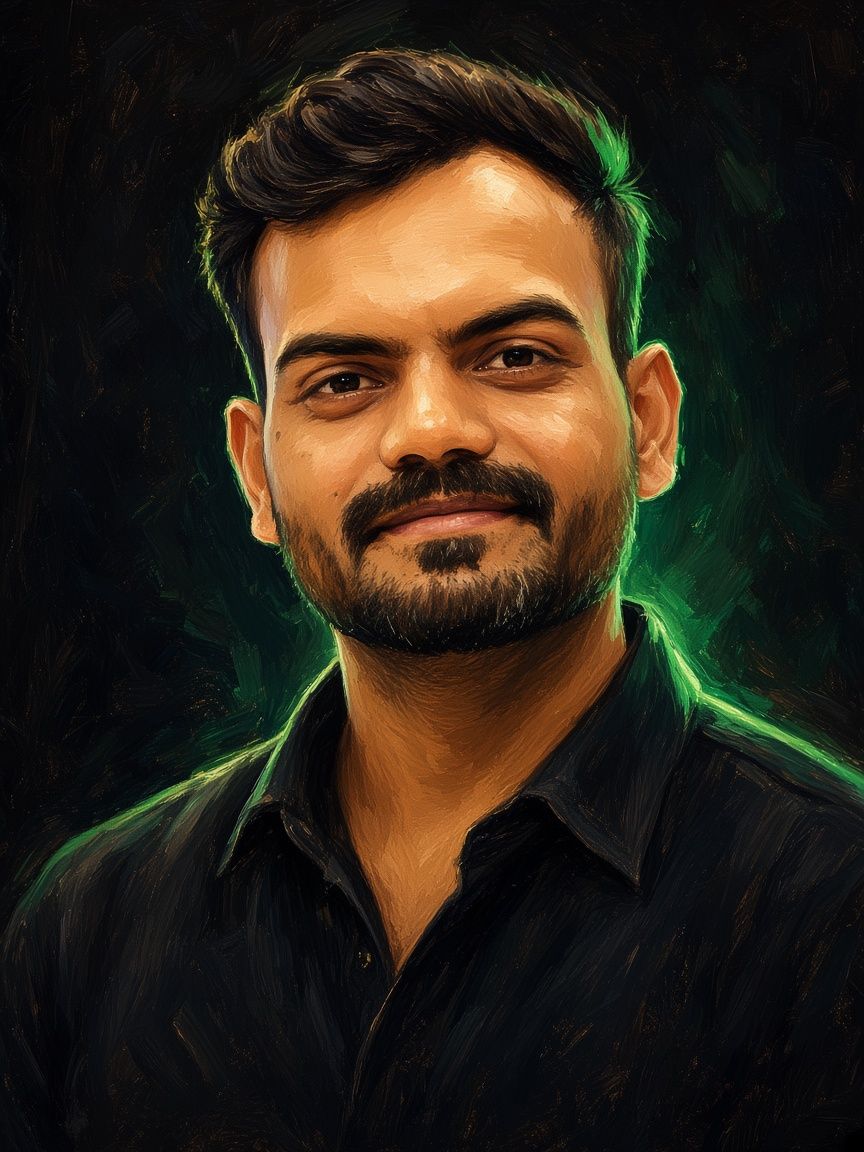
Guardian of repositories, builds and the sacred source.
Open their profile and say hello.

If it needs building, fixing or figuring out, call Thiru.
Open their profile and say hello.
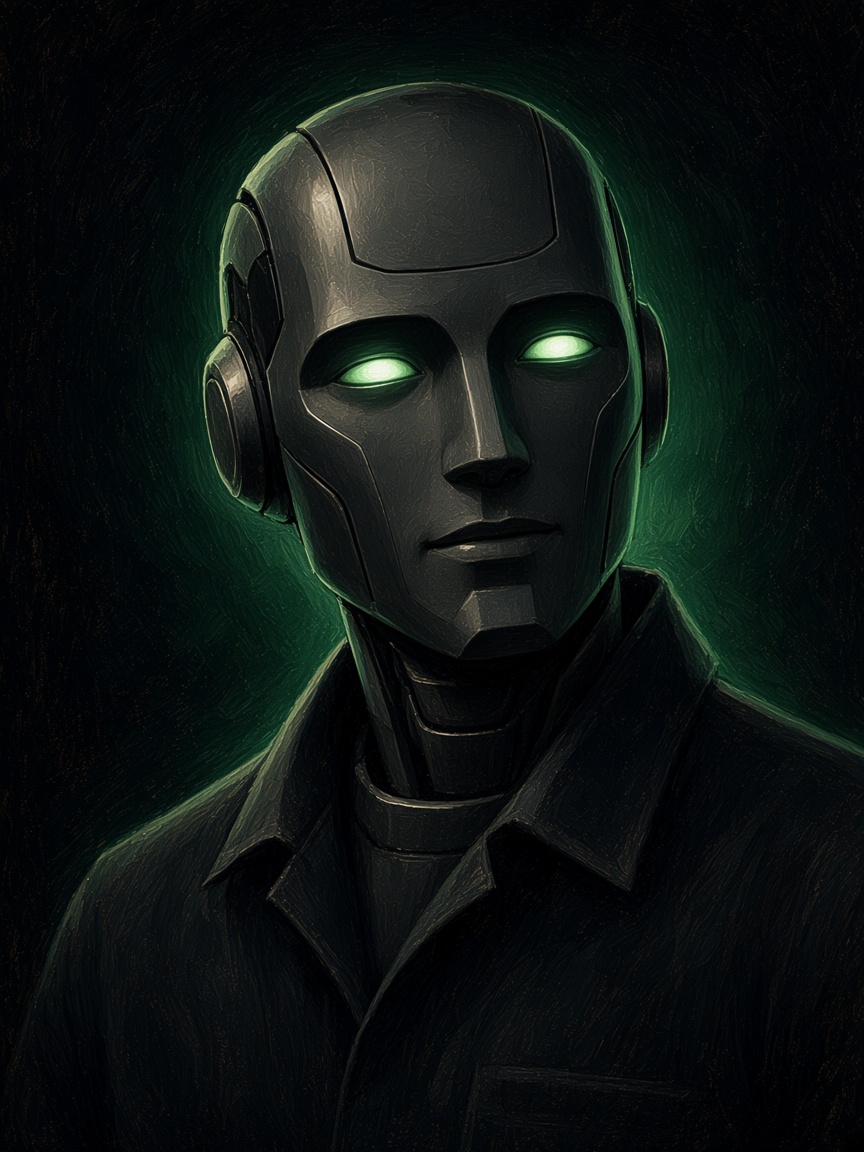
Not human. Still invited to every team meeting.
We depend on each other and the world around us. What we give, somehow comes back to us. By responding to positive actions, with positive actions, we create a friendly atmosphere around ourselves and what we do. This is a universal social principle, inherent in our company as well as in our technology.
Because we are engaged in complex matters, we recognise simplification to be fundamental. Through simplicity we make things possible, accessible and valuable.
Both in our company and in general, we grow through our ability to cooperate and work as a team. Being adherents of the global open source community, we share our ideas and build upon each other.
Join DiscordWe believe the next generation of the Internet will be shaped by people and machines working together, and it will take more than one company to build it. Whether you are an investor, industry partner, inventor, developer, researcher, journalist, or simply curious about what we are creating, we would love to hear from you.
We are always open to new ideas, unexpected collaborations and partnerships that can help turn autonomous technology into something useful for people, society and the planet. If you see an opportunity to build something meaningful together, let's talk.